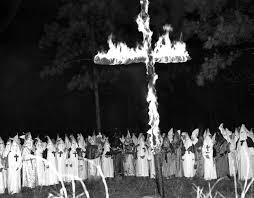
In late 1865, six former Confederate soldiers in Tennessee formed the first chapter of what would become the Ku Klux Klan (KKK) in a law office in Pulaski, Tennessee. According to historical sources including the Library of Congress and Encyclopedia Britannica, its stated objectives were to resist Reconstruction, intimidate newly freed African Americans, and restore white supremacy in the post-Civil War South.
They created a secretive, hierarchical organization designed to intimidate and control freed African Americans and their allies. Their broader objective was the preservation of racial hierarchy through coordinated and often concealed actions.
The Reality Today
Many claim racism is a myth or a relic of the past. However, based on my experience interacting with various MTSU staff, I can definitively say it is not. Racism is very much alive today, often in both blatant and subtle forms.
Some regions are more prone to overt discrimination than others. In the South (maybe include image of what is considered “the South”)—where organized racial hierarchies historically took root—these dynamics persist, often in less visible and more insidious ways.
Racism and bias, especially within institutional settings, do not always follow the expected narrative. Most tend to understand discrimination as being a Caucasian individual discriminating against members of non-Caucasian races. While that occurs, discrimination and bias can also involve members of the same or other non-Caucasian racial groups. In fact, in my experience, some of the most blatant bias and discrimination—often inspired by false perceptions of one’s national origin—comes from individuals who claim to oppose discrimination. False assumptions about identity, nationality, or background can lead to deliberate, targeted acts of discrimination.
As a person of color, I have repeatedly witnessed such behavior and have had to withdraw both membership and support from organizations like the NAACP. Many individuals within these groups openly advocate against discrimination while simultaneously engaging in it themselves. This hypocrisy is intolerable.
The MTSU Connection: Forrest Hall
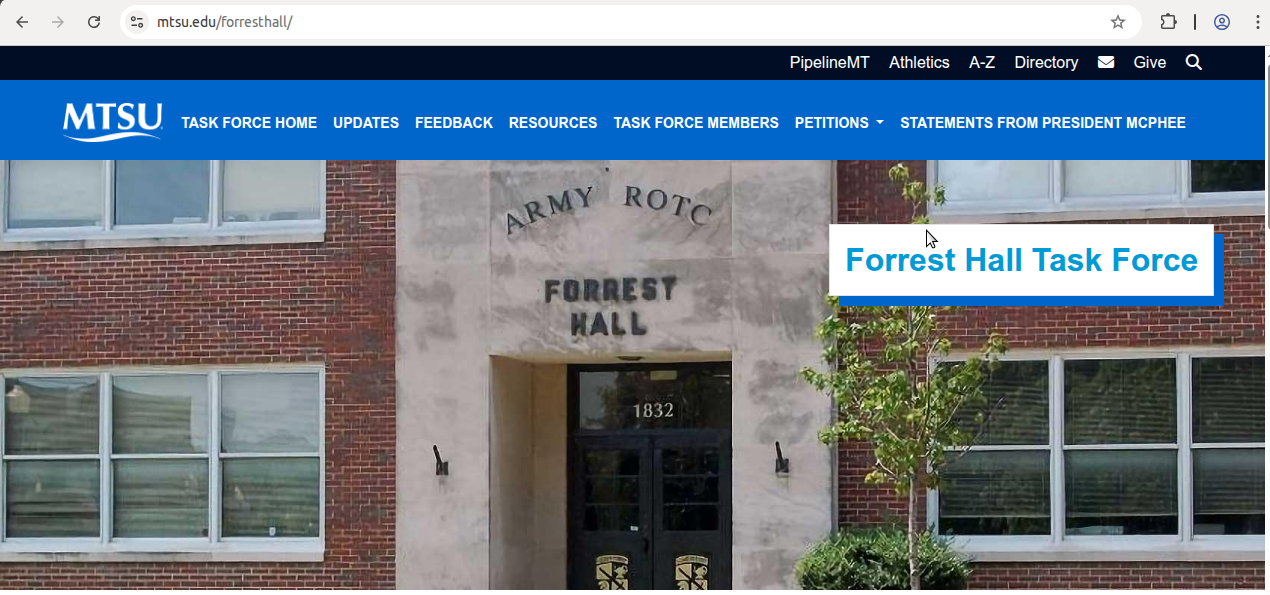
The KKK is not a defunct historical organization; it remains active today, committed to its stated mission of maintaining racial hierarchy and opposing political participation by African Americans in ways that continue to intimidate and suppress communities. Despite this, as of March 2026, Middle Tennessee State University (MTSU) is home to Forrest Hall, a building still bearing the name of Nathan Bedford Forrest—a Confederate general, the first Grand Wizard of the KKK, and a participant in the interstate slave trade.
Forrest Hall was named in 1958, at the height of the Civil Rights Movement, four years after the building was constructed. This was not a neutral decision; it was an explicit act of defiance against the progress of civil rights and a deliberate signal of support for segregationist and white supremacist ideals. Forrest’s name has no institutional connection to MTSU but represents a historical and ongoing legacy of white supremacy.
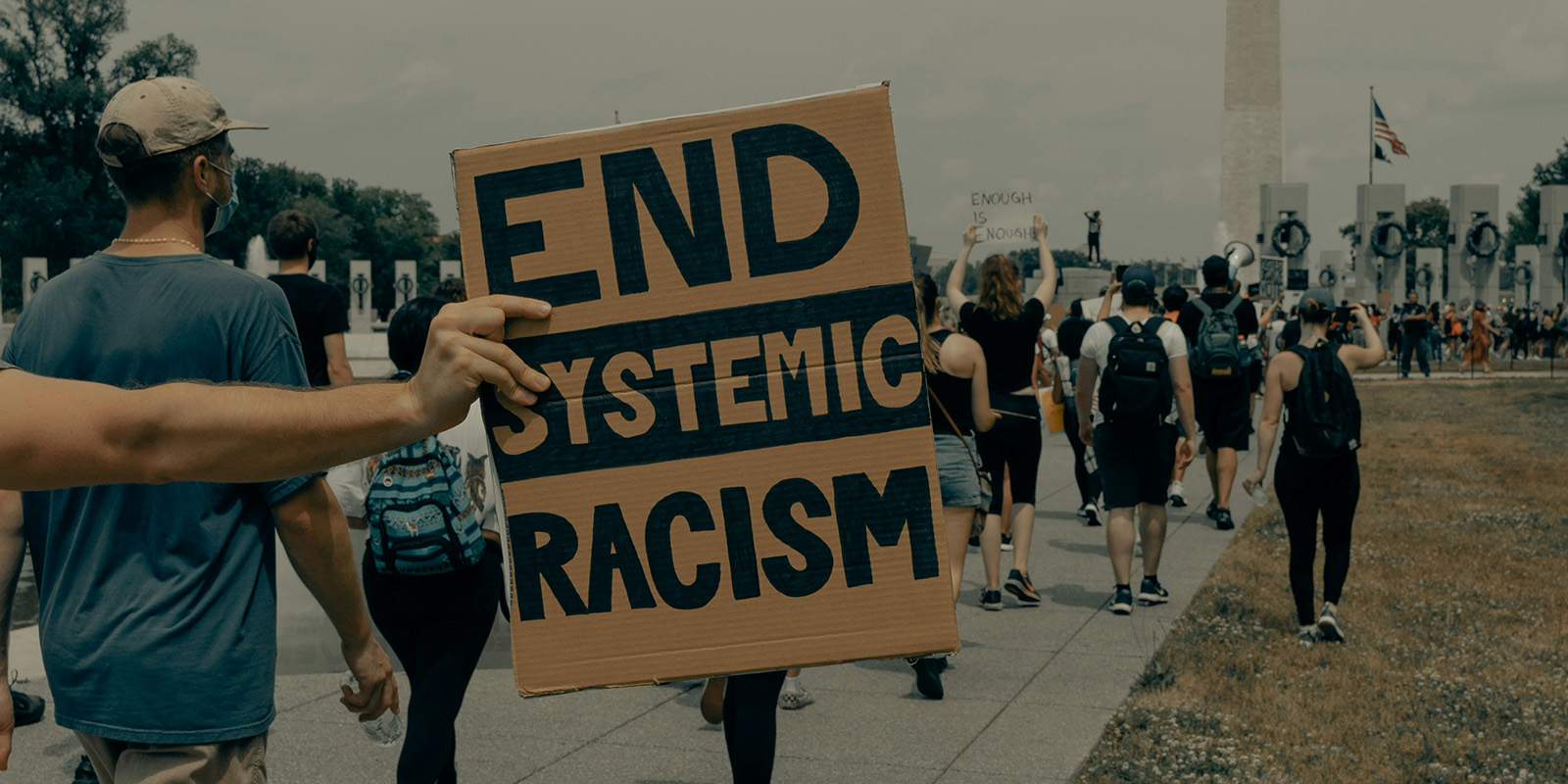
This connection is not symbolic alone—it underscores the persistence of systemic bias within the university. Institutional tolerance of Forrest Hall’s name signals the prioritization of tradition over equity, reflecting a climate where complaints and concerns about racism are often minimized, ignored, or met with retaliation. Decision makers in Tennessee state government have voted to retain the building’s name on multiple occasions, demonstrating that the spirit of oppression is still very much alive in the region. This historical and political context likely influences decision-making in all matters where race and equity are at stake.
Support / Contribute
When Bias Becomes Institutional
Legal action becomes imperative when bias is not isolated, but deliberately amplified within an organization:
Retaliation after formal complaints
Coordination across multiple departments
Efforts to cover up or distort documented facts
At MTSU, this institutional bias extends beyond individual acts and into the culture and administration, making systemic intervention necessary.
Failure of Oversight and State-Level Misconduct
The Tennessee Attorney General’s Office (TN AG) faces a dual role:
Enforcing civil rights law
Defending state entities
This structural conflict has real-world consequences:
Valid complaints are dismissed, not for lack of merit, but because the AG’s office is conflicted
Private citizens are selectively prosecuted while state actors are shielded
This is misconduct that requires accountability, particularly when it undermines protections that should apply equally to private and state actors alike.
My Case and Ongoing Legal Action
I am currently pursuing a graduate-level finance program at Harvard while simultaneously pursuing formal legal action regarding targeted institutional bias and racism at MTSU.
My experience revealed:
Misrepresentation and coordinated responses
Systemic institutional misconduct
Professional negligence by licensed attorneys representing MTSU
Legal filings span the Supreme Courts of Tennessee and Virginia, addressing:
Institutional misconduct and collusion
Coordinated cover-ups
Conflicts of interest with oversight bodies
Obstruction and bad faith actions
Oversight entities involved include the Tennessee AG Office, Virginia State Bar, and Tennessee State Bar, which have, to varying degrees, failed to enforce accountability.
Why This Matters
Civil rights enforcement is meaningless if oversight agencies are conflicted or compromised. Without recourse, victims must pursue higher court intervention to ensure accountability.
Why Support Matters
Support enables:
Retention of qualified legal representation in Tennessee
Retention of qualified legal representation in Virginia
Continuation of legal action across jurisdictions including any action required in federal court
The completion of the referenced program in a toxic free environment
Support / Contribute
About Me
I hold a Bachelor of Science in Business and a Master of Science in Management.
I am also an inventor with a pending patent estimated to be worth $175 to $250 million.
Attorney / Law Firm Interest Form
Community / Peer Interest Form
Disclaimer
This website presents personal experiences and planned legal action. Statements reflect my perspective and documented concerns regarding systemic fairness and are not legal determinations or findings.